Breath and blood tests are essential in Houston DWI/DUI cases. These tests measure alcohol levels in your body. Dealing with these tests can be overwhelming, especially when the results could significantly impact your future. At The Love DuCote Law Firm LLC, we understand the important role these tests play in your case and are dedicated to offering you practical support and clear legal guidance.
We are here to help you question any discrepancies in the test results, ensuring that your rights are protected and your case is handled with care. With our calm and confident approach, we aim to ease your concerns and work towards a positive outcome. If you need help with your DWI case, don’t hesitate to contact The Love DuCote Law Firm LLC. Call us today at 832-669-5614 to schedule a consultation and let our knowledgeable team assist you during this challenging time with determination and support.
Understanding Breath Tests in Houston DWI Cases
Breath tests provide important evidence for the prosecution. These tests measure a person’s blood alcohol concentration (BAC) by analyzing their breath, offering immediate results that are often used to justify arrests and charges. In Texas, devices require individuals to provide a breath sample at sufficient pressure to ensure accuracy. Despite their design for accuracy, external and internal factors can impact their reliability. We will explore these tests and the elements that influence their outcomes.
How Breath Tests Work
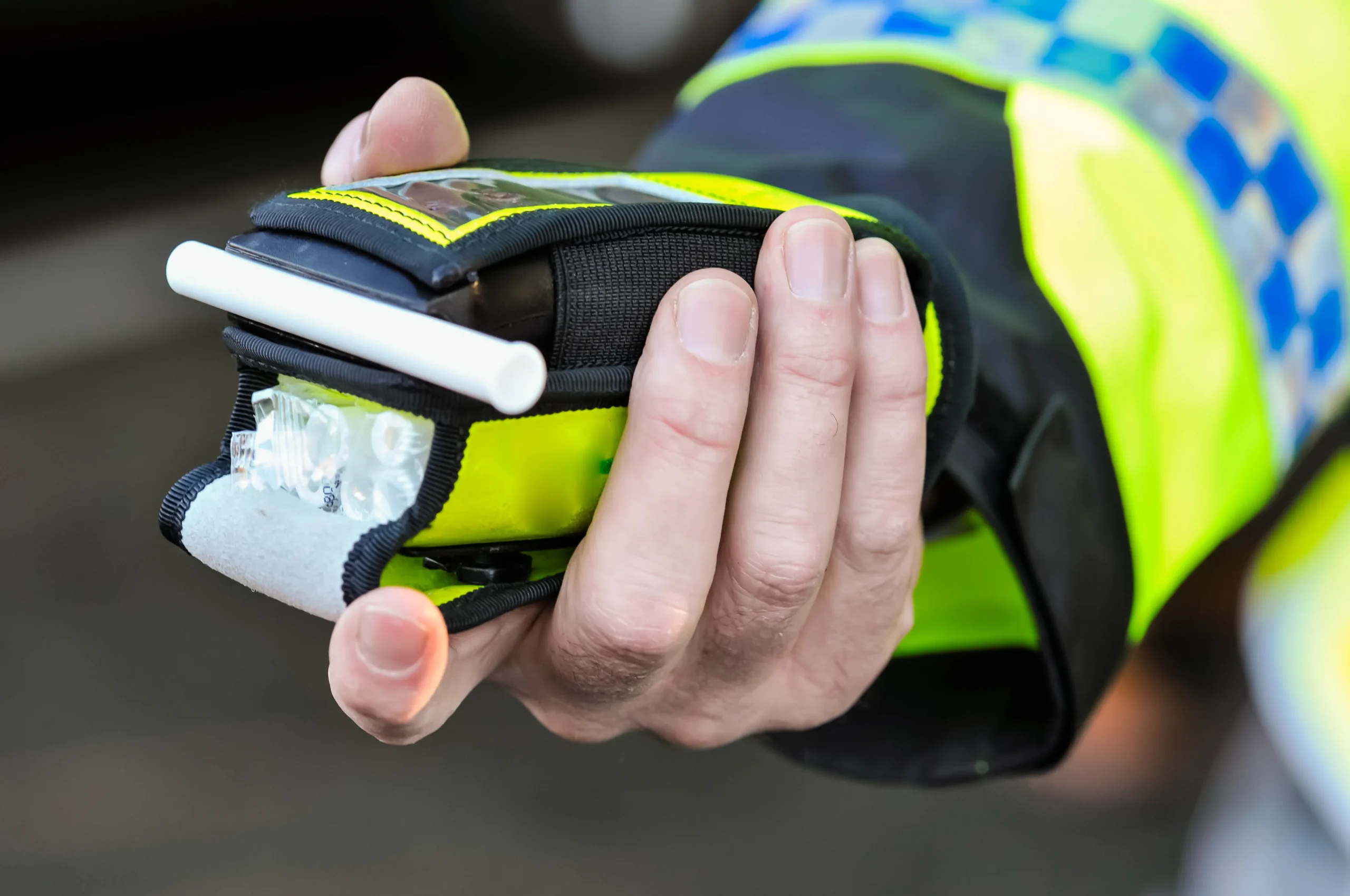
Breath tests work by measuring the alcohol concentration in a person’s exhaled air. When an individual consumes alcohol, it enters the bloodstream and is eventually expelled through the lungs. These devices require the subject to blow into the device for a specific duration to capture a sufficient sample. This sample is then analyzed to determine the BAC, providing results that are important during a DWI arrest. These devices use infrared spectrometry to detect alcohol levels, translating the breath sample into a BAC reading.
How Do Police Administer Breath and Blood Tests During a DWI Arrest?
When someone is stopped for a DWI, police officers follow a clear process to give breath and blood tests, making sure they meet legal rules. Here’s a simple breakdown of how these tests are done:
- Traffic Stop and Observation: It all starts with a traffic stop. The officer looks for signs that the driver might be impaired, like swerving or smelling of alcohol. These observations help decide if further testing is needed.
- Field Sobriety Tests: Before moving to breath or blood tests, officers often conduct field sobriety tests. These help determine if there’s enough reason to believe the person is impaired.
- Getting Consent: If there’s enough reason to test, the officer asks the driver to agree to a breath or blood test. Texas law assumes drivers agree to these tests by driving, but officers still ask for consent during the arrest.
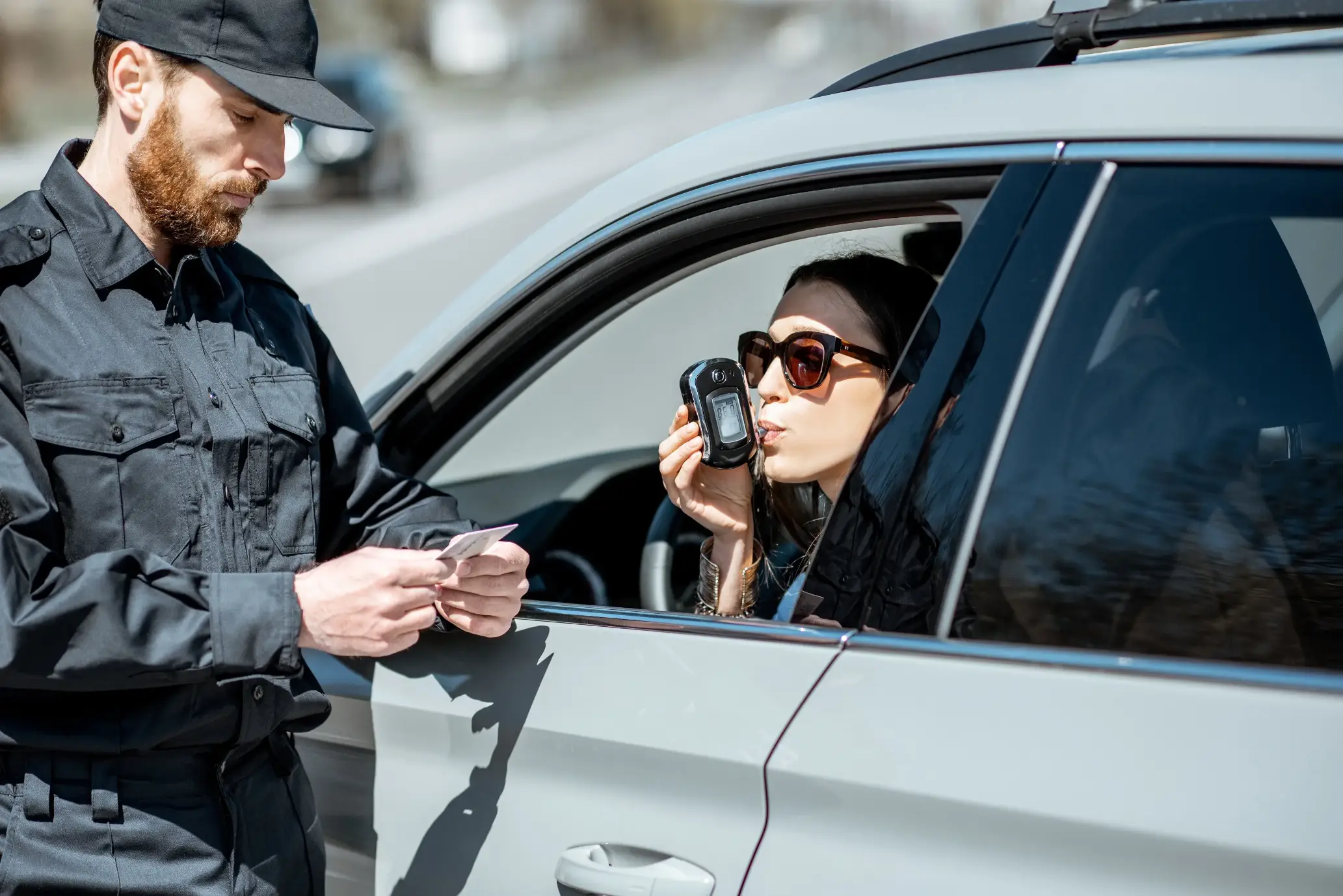
- Breath Test: If the driver agrees to a breath test, the officer uses a breathalyzer. The driver must blow into the device correctly to get an accurate reading of alcohol levels.
- Blood Test: For a blood test, a trained person, like a nurse, takes a blood sample. This usually happens at a hospital. The sample is then sent to a lab to check alcohol levels.
- Following Legal Steps: Officers must follow legal steps and document everything, like the time of the test and the equipment used.
- Possible Mistakes: Mistakes can happen and affect the test results. Common errors include not calibrating the breathalyzer correctly, using old testing kits, or not handling blood samples properly. Not following consent procedures or documenting the process can also weaken the case.
Knowing these steps and possible mistakes can help drivers and their lawyers question the reliability of the test results, which can be important in a DWI case.
Factors Affecting Breath Test Results
Several factors can affect the accuracy of breath test results. Improper maintenance, cleaning, or calibration of the breath testing device can compromise its accuracy, leading to erroneous readings. Additionally, operator errors during the administration of the breathalyzer, such as improper timing or handling, can significantly impact the results.
Certain substances in the mouth, such as mouthwash or gum, can lead to increased readings, affecting the reliability of the test. Physiological factors and certain medical conditions can result in inaccurately high breathalyzer readings, making it essential to consider these variables when evaluating breath test results. Recognizing these factors is key to building a strong defense in a DWI case.
The Role of Blood Tests in Houston DWI Arrests
Blood tests are often considered the gold standard for determining blood alcohol concentration (BAC) during DWI arrests in Houston. Unlike breath tests, blood tests provide a direct measurement of blood alcohol content, eliminating the need for conversion calculations and potentially offering more accurate results. Additionally, blood tests can detect the presence of drugs, providing a broader scope of detection compared to breath tests. They can help determine an individual’s blood alcohol level and are sometimes used in conjunction with a blood alcohol test or a blood or breath test.
Blood tests are important in DWI investigations due to their reliability. However, the procedures for collecting and analyzing DWI blood tests and blood samples are complex and must be carefully followed to ensure accuracy.
Blood Draw Procedures
Blood draws for DWI blood tests must be conducted by qualified personnel, such as doctors or nurses, to ensure the procedure is performed safely and correctly. These professionals are trained to follow strict protocols, which include using sterile equipment and proper techniques to avoid contamination and ensure the integrity of the sample.
The process typically involves drawing blood from a vein, which is then stored in a sealed container to prevent contamination. This sample is sent to a laboratory for analysis, where it is tested for alcohol concentration and the presence of drugs. Accuracy in this process is vital, as any deviations can significantly impact the test results.
Potential Issues with Blood Tests
Despite their reliability, blood tests are not without potential issues. Contamination during sample collection and analysis can jeopardize the integrity of the results. If a blood sample is not properly sealed, it can lead to contamination, which can significantly affect the accuracy of the test. Additionally, using a cleaning swab containing alcohol can result in inaccurate BAC readings.
Delays in collection and improper storage of blood samples can also lead to inaccuracies. Blood samples must be properly stored, typically refrigerated, to preserve their integrity. Procedural errors, such as improper collection or handling, can compromise the test results, making it essential to follow strict protocols.
Various testing methods, such as enzymatic, gas chromatography, and dichromate methods, can be challenged in court. These methods must be conducted accurately and without bias to ensure valid results.
Can Medications or Medical Conditions Affect Test Results?
Certain medications and health conditions can change the results of breath and blood tests used in DWI cases. For example, people with diabetes may have high acetone levels, which breathalyzers can mistake for alcohol, causing falsely high blood alcohol concentration (BAC) readings. Likewise, individuals with Gastroesophageal Reflux Disease (GERD) might have alcohol from the stomach move back into the throat, affecting breath test results.
Medications can also impact test accuracy. Over-the-counter cold medicines often contain alcohol, which could inflate BAC readings. Prescription drugs that affect how the liver processes alcohol can lead to unexpectedly high test results.
These situations show why it’s important to question incorrect test results in DWI cases. By understanding how medical conditions and medications can affect test outcomes, your DWI lawyer can create a strong defense. This includes examining the test circumstances, questioning the results, and possibly using expert testimony to explain how these factors may have influenced the findings. These steps are important to ensure fairness and prevent wrongful penalties due to inaccurate test results.
Legal Implications of Refusing Breath or Blood Tests in Texas
Failing or refusing a breath or blood test in Texas can lead to severe penalties, impacting both your driving privileges and financial situation. The Texas Department of Public Safety (DPS) enforces administrative penalties, which can significantly affect your life.
License Suspension
One of the immediate consequences of refusing a test is the suspension of your driver’s license. For first-time offenders, the suspension period is typically 180 days. However, if you have previous DWI or test refusal incidents on your record, the suspension can extend up to two years. Failing a test can also result in license suspension, with similar durations depending on your prior record.
Fines and Financial Penalties
In addition to license suspension, there are financial repercussions. Refusing or failing a test may result in fines, which can vary based on the number of offenses. First-time offenders might face fines of up to $2,000, while repeat offenders could see fines increase significantly, potentially reaching $4,000 or more.
Enhanced Penalties for Repeat Offenders
Repeat offenders face harsher penalties, which can include longer license suspensions, higher fines, and even jail time. The severity of the penalties increases with each subsequent offense, reflecting the state’s stringent stance on DWI cases.
Administrative Penalties by the Texas DPS
The Texas DPS imposes administrative penalties that are separate from any criminal charges. These can include surcharges to maintain your driver’s license, which can be as high as $2,000 annually for three years, depending on your blood alcohol concentration (BAC) level at the time of arrest.
Challenging Breath and Blood Test Results in Court
Disputing breath and blood test results in court is an important part of a strong DWI defense. In Texas, breathalyzer devices must be properly calibrated and maintained, and any lapses in these requirements can affect the reliability of the results. Mistakes in forensic labs during blood testing can also question the validity of these results.
Cross-examining police officers and forensic scientists may uncover gaps in their knowledge or biases, which can be key in challenging the prosecution’s evidence. Expert witnesses can provide scientific evidence to raise doubts about the reliability of breath and blood test results, making their testimony important in DWI cases.
Questioning Test Accuracy
Questioning the accuracy of breath and blood test results builds a solid defense. Texas regulations require breath testing instruments to be certified and regularly inspected for accuracy. DWI attorneys can examine records related to the maintenance and calibration of testing equipment to challenge the validity of the test results.
Your attorney can request access to laboratory maintenance and calibration records to confirm that the testing equipment was working correctly at the time of the test. This is important for finding any discrepancies that could weaken the prosecution’s case.
Expert Witness Testimony
Expert witnesses, such as forensic toxicologists, are key in challenging breath and blood test results. These experts provide important testimony about the scientific accuracy of the test results, often countering the prosecution’s evidence. Their knowledge can influence court decisions by raising doubts about the test results’ accuracy. By highlighting potential errors or biases in the testing process, expert witnesses can significantly affect the outcome of a DWI case.
Importance of Hiring an Experienced Houston DWI Attorney
Hiring an experienced Houston DWI attorney is essential for dealing with a DWI case. These attorneys understand the details of breath and blood tests and can effectively challenge the prosecution’s evidence. A qualified DWI attorney should have technical skills and strong defense strategies for contesting blood test results and ensuring a strong defense against DWI charges.
How The Love DuCote Law Firm LLC Can Help You
At The Love DuCote Law Firm LLC, we understand DWI cases and the important role that breath and blood tests play in these situations. Our experienced Houston DWI attorneys are equipped to challenge the validity of breath and blood test results effectively. We provide comprehensive legal representation, ensuring that every part of your case is carefully examined.
Our team is skilled in identifying potential issues with the administration and analysis of breath and blood tests, such as improper maintenance of testing devices, procedural errors, and contamination of blood samples. We work diligently to find any discrepancies that could weaken the prosecution’s evidence, using expert witnesses and forensic analysis to build a strong defense.
With a deep commitment to protecting your rights, we offer personalized legal strategies tailored to your case. Whether you are facing a first-time DWI charge or dealing with complex legal challenges involving high BAC levels or multiple offenses, The Love DuCote Law Firm LLC is here to provide the guidance and support you need.
We proudly serve clients in Sugar Land, Fort Bend, Houston, Harris County, and Katy, Texas. Contact us today at 832-669-5614 to learn more about how we can assist you with your DWI case and work towards achieving a favorable outcome.