As a parent in Texas, understanding child room-sharing regulations is crucial to ensure the well-being and comfort of your children while also remaining in compliance with the law. One question you might have is, “How long can my children share a room in Texas?” With no specific laws dictating the ages and genders of siblings sharing a room, navigating this complex topic to create a safe and nurturing environment for your family can be challenging.
By working with The Love DuCote Law Firm LLC, we will guide you through the Texas Family Code and Child Protective Services (CPS) guidelines regarding child room-sharing, discuss practical tips for families sharing spaces, and provide resources to help you make informed decisions about your housing situation.
At The Love DuCote Law Firm LLC, we understand the importance of family well-being and want to support you in creating a harmonious living environment for your children. Our experienced legal team is well-versed in the Texas Family Code and CPS guidelines, ensuring that you receive accurate and up-to-date information. Whether you have questions about room-sharing durations or need assistance in handling the complexities of family law, we are here for you.
Take the first step towards ensuring your family’s comfort and legal compliance by reaching out to us for a consultation. Your peace of mind is our priority. Contact The Love DuCote Law Firm LLC today by calling 832-471-6904, and let us guide you through the intricacies of child room-sharing regulations, providing you with the knowledge and support you need for a secure and happy home.
Understanding Child Room-Sharing Regulations: How Long Can My Children Share a Room in Texas?
 In Texas, there are no specific laws that dictate the ages and genders of siblings sharing one room. As a result, the decision regarding sleeping arrangements and when siblings should have their own bedrooms is left to the parents’ discretion. While it is permissible for a child under three years old to share a bedroom with an adult caregiver if it is the right for the child, Texas law does not specifically prohibit children from sharing a room with their parents or siblings.
For example, while the occupancy limit for apartments in Texas is three times the number of bedrooms in the unit, there is no concrete law that specifically prohibits children or establishes a specific age or gender requirement for one sibling sharing a room with another. However, parents should consider the potential implications of child custody proceedings and ensure the room meets minimum safety requirements to provide a comfortable environment for their children.
While the Texas Family Code does not contain any specific provisions concerning room-sharing among children, there are potential issues to consider when accommodating your children’s sleeping arrangements. By seeking guidance from legal professionals from The Love DuCote Law Firm LLC and consulting relevant regulations, you can create a harmonious living space that fosters sibling bonding and respects each child’s needs.
Texas Family Code and Child Room-Sharing
The Texas Family Code provides general guidelines for child room-sharing, stating that it is legally permissible for siblings to share a room, and there are no specific provisions prohibiting parents from placing their children in shared bedrooms.
Age Considerations for Shared Bedrooms
Age plays a significant role in determining whether siblings can share a bedroom. According to the Texas Family Code, children aged 16 and under should share the same room with one other child up to the age of 16, provided they are of the same gender. However, those aged 16-19 should be allocated their own bedroom.
Texas CPS guidelines suggest that siblings of opposite genders should move into their own room after the age of 5. The Texas Family Code states that age considerations for shared bedrooms are based on the interests of the child and the child’s wishes if they are 12 years of age or older. The court considers factors such as the child’s age, emotional and physical needs, and the stability of each parent’s home when making this determination.
The Role of Family Court Judges
Family court judges in Texas have a significant role in determining what is ideal for the child in room-sharing situations. These judges take into account various factors and evidence presented by both parties to determine the custody arrangement that is most beneficial for the child.
In shared bedroom situations, Texas family court judges consider the following factors when determining custody arrangements:
- The child’s physical and emotional needs
- The stability of the living arrangements
- The preference of each child (if mature enough to express their opinion)
- The preference of each parent
- The overall wishes of the child
It is important to note that there is no specific law in Texas that prohibits a child from sharing a room with their parents.
CPS Guidelines on Bedroom Sharing
Child Protective Services (CPS) guidelines on bedroom sharing may require separate rooms in certain situations, and shared rooms must meet safety and comfort requirements.
When CPS May Require Separate Rooms
CPS may require separate rooms for siblings of the opposite gender over a certain age or when safety concerns are present. According to Texas CPS guidelines, boys and girls should not share a room after the age of five, and siblings of the same gender may share a room.
Safety considerations could prompt the Texas Child Protective Services to mandate separate sleeping quarters for siblings. These considerations may include:
- Ensuring each child has a secure and suitable sleeping arrangement
- Complying with minimum safety regulations for bedrooms
- Addressing any safety issues associated with placing children together
- Preventing adults and children from sharing rooms.
Safety and Comfort Requirements for Shared Rooms
Shared rooms must meet safety requirements, such as having a window for emergency escape and providing a safe bed for each child. According to Texas CPS guidelines, no more than two children may share a bedroom, and each child must have their own separate bed with clean linens, pillows, blankets, and a suitable sleeping arrangement to ensure children are sleeping comfortably and safely.
The occupancy limit for a bedroom is two people, as per CPS guidelines. If a family’s housing does not meet CPS requirements for bedroom sharing, CPS can direct the family to rectify any shortcomings and provide them with resources that can be of assistance.
Practical Tips for Families Sharing Spaces
Creating a comfortable and functional living environment for your children involves not only understanding the legal guidelines but also applying practical tips for families sharing spaces.
Creating Individual Spaces Within Shared Rooms
Encouraging personalization and privacy within shared rooms can be achieved by:
- Designating separate areas for each child
- Using a room divider
- Adding canopies or curtains to the beds
- Incorporating built-in storage
- Selecting a soothing color scheme
These imaginative methods can help divide a shared bedroom for children.
Strategies such as:
- Using corners
- Bunk beds
- Giving each part of the room a specific name
can be employed to enable children to personalize their own space in a shared room. These strategies can help create individual spaces within a shared room and provide a sense of privacy for each person.
Establishing Routines and Boundaries
Setting routines and boundaries can help maintain a sense of order and respect for each child’s space within a shared room. To establish boundaries effectively in a shared child’s room, it is advisable to:
- Establish clear rules and boundaries before moving the children into the room
- Include the children in the process of establishing the rules
- Consistently practice and reinforce the rules to maintain a respectful and harmonious environment.
Routines and boundaries in a shared child’s room can:
- Foster social skills
- Facilitate problem-solving
- Provide a sense of comfort
- Assist in developing life skills
- Aid in managing behavior
Implementing these strategies can help create a positive and cooperative living environment for your children.
Legal Support for Your Family’s Needs
If you encounter legal challenges regarding child room-sharing regulations, seeking legal support for your family’s needs is critical.
How We Advocate for Your Child
At The Love DuCote Law Firm LLC, our experienced attorneys work diligently to protect your child’s safety and security in family law matters, such as divorce, child custody, and criminal defense. We provide realistic guidance and discrete representation to achieve positive outcomes for your situation.
Our team is committed to understanding the unique needs and circumstances of your child and developing a comprehensive legal strategy to protect their rights and advocate for them. This may involve:
- representing the child in court proceedings
- negotiating custody and visitation agreements
- ensuring that their educational, medical, and emotional needs are met.
Connecting You With Resources
Understanding the complexities of child room-sharing regulations can be difficult, but The Love DuCote Law Firm LLC is ready to assist. We can connect you with resources such as:
- Shared Housing Center
- Texas Home and Community-Based Supports and Services
- Texas Law Help
- Low-Income Relief
These resources can help you in understanding and complying with room-sharing regulations.
In addition to these resources, support groups such as:
- Texas Department of Family and Protective Services (DFPS) regional Parent Support Groups (PSGs)
- Texas Parent to Parent (TXP2P)
- Substance Abuse and Mental Health Services Administration (SAMHSA)
provide resources and support for parents navigating room-sharing regulations in Texas.
How The Love DuCote Law Firm LLC Can Help You
Understanding child room-sharing regulations in Texas is crucial for families navigating custody and living arrangements. While there are no specific laws dictating the ages and genders of siblings sharing a room in Texas, it is essential to consider what is ideal for the child, the preferences and needs of the children, and the available space in the home when making decisions about room-sharing arrangements.
By familiarizing yourself with the Texas Family Code, CPS guidelines, and practical tips for families sharing spaces, you can create a safe and nurturing environment for your children. If you are facing legal challenges regarding child room-sharing regulations, the experienced attorneys at The Love DuCote Law Firm LLC are here to help you and connect you with resources to navigate this complex issue.
The Love DuCote Law Firm LLC can assist with various legal issues, including divorce, child custody, and criminal defense, offering practical advice and confidential representation to secure a favorable result for your situation. Our team of skilled attorneys, including a former prosecutor, is experienced in handling cases involving children’s interests and is committed to providing caring and effective representation for your family.
Contact The Love DuCote Law Firm LLC today at 832-471-6904 to discuss your family’s needs and receive the support and guidance you need to protect your child. Don’t let the complexities of child room-sharing regulations put your family’s well-being at risk. Let our experienced attorneys guide you through the process and help you make informed decisions for your family’s future.
Frequently Asked Questions
Siblings should stop sharing a room when they reach an age where privacy and personal space become more important, typically around age 10. Research suggests that siblings sharing a room beyond the age of 10 in Texas may experience a range of psychological effects, such as:
- low self-esteem
- high dependency
- anxiety
- low memory
Additionally, the lack of private space may lead to frustration and conflicts.
Keep in mind that Texas does not impose legal penalties for siblings aged 10 or above sharing a room, as the state law does not prohibit room sharing between children of the opposite sex or siblings. Parents should consider the preferences and needs of their children, as well as the available space in the home when deciding whether siblings should continue sharing a room
Children can share a room with parents, but it is generally recommended that they have their own space as they grow older. No specific regulation in the Texas Family Code prohibits children from sharing a room with parents. However, family court judges will generally consider the child’s well-being when making a decision.
In Texas, the legal provisions regarding room-sharing for children are outlined in Section 749.3029. According to this section, it is legally permissible for children six years old or older of opposite genders to share a bedroom under specific circumstances. These circumstances include if the children are siblings, if the older child is acting as the younger child’s parent, or if both children are non-ambulatory and require treatment.
This means that siblings, whether brothers or sisters, can share a room without legal restrictions once they reach the age of six. Additionally, if there is an age gap and the older child takes on a parental role for the younger child, or if both children have mobility challenges and are receiving treatment, they can also share a bedroom within the bounds of the law.
Understanding these legal nuances is essential for parents in Texas to ensure compliance with regulations while making informed decisions about their children’s living arrangements. If you have further questions or need assistance navigating these guidelines, seeking legal advice from The Love DuCote Law Firm LLC can provide clarity and peace of mind.
According to CPS (Child Protective Services) guidelines, shared rooms must adhere to specific safety and comfort requirements to ensure the well-being of children. Here are some key elements outlined in these guidelines:
Safety Requirements:
- Safe Bed for Each Child: Each child sharing a room must have a safe and appropriate bed. This ensures that each child has their designated sleeping space, contributing to their safety and personal space.
- Window for Emergency Escape: The room must be equipped with a window that serves as an emergency escape route. This is a crucial safety measure to be prepared for unforeseen circumstances and emergencies.
- Free from Hazards: The shared room should be free from any hazards that could pose a risk to the children. This includes ensuring that there are no potential dangers or obstacles that could compromise their safety.
Comfort Requirements:
- Well-ventilated: The room should be well-ventilated to provide a comfortable living environment for the children. Proper ventilation helps maintain air quality and contributes to the overall comfort of the shared space.
- Furniture in Good Condition: Any furniture present in the room, such as beds, dressers, or other essentials, should be in good condition. This ensures that the children are provided with a safe and comfortable living space, free from the risks associated with damaged or unsuitable furniture.
By adhering to these safety and comfort requirements outlined by CPS, parents can create a shared room that not only complies with regulations but also prioritizes the well-being and comfort of their children. Regular checks and maintenance of the room can further contribute to a safe and nurturing environment for siblings sharing living spaces.

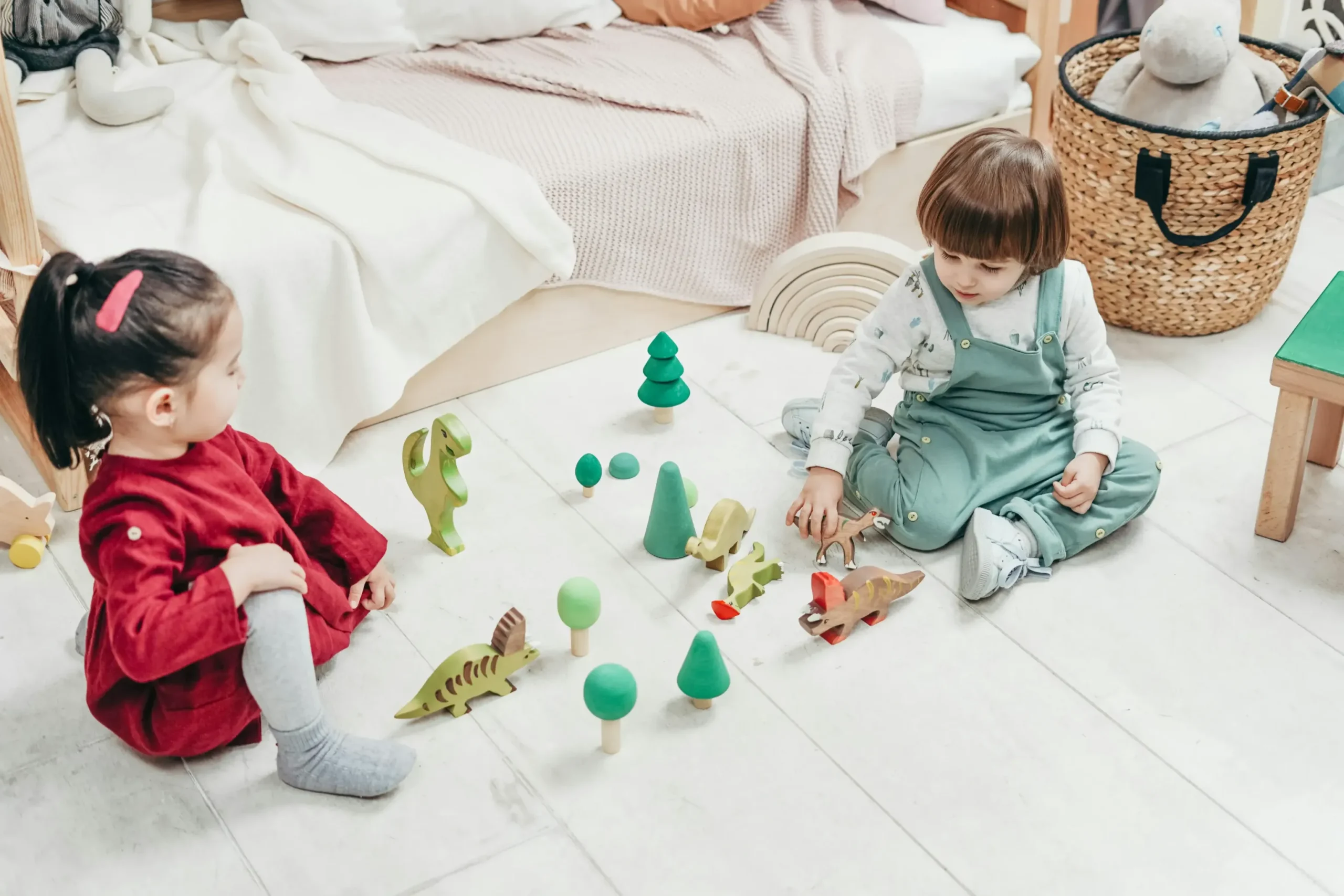
 In Texas, there are no specific laws that dictate the ages and genders of siblings sharing one room. As a result, the decision regarding sleeping arrangements and when siblings should have their own bedrooms is left to the parents’ discretion. While it is permissible for a child under three years old to share a bedroom with an adult caregiver if it is the right for the child, Texas law does not specifically prohibit children from sharing a room with their parents or siblings.
 The Texas Family Code provides general guidelines for child room-sharing, stating that it is legally permissible for siblings to share a room, and there are no specific provisions prohibiting parents from placing their children in shared bedrooms.